Strength Training for Power and Performance: Build Real Strength Naturally
Strength Training for Power and Performance
Strength training is one of the most effective ways to improve physical performance, build muscle, and develop long-term athletic ability. While many people associate strength training only with bodybuilding, it actually benefits anyone who wants to become stronger, faster, and more resilient.
Whether you are an athlete, fitness enthusiast, or beginner in the gym, developing strength provides a solid foundation for overall performance. Strong muscles support better movement, reduce the risk of injuries, and improve daily physical tasks.
This article explores the fundamentals of strength training, including the exercises, nutrition strategies, and recovery methods that support long-term progress.
Why Strength Training Matters
Strength is the foundation of physical performance. Nearly every athletic movement relies on muscular force, whether it’s sprinting, jumping, lifting, or throwing.
Developing strength improves:
- Muscle power
- Explosive performance
- Joint stability
- Metabolic health
- Body composition
For many athletes, improving strength also enhances endurance and overall conditioning.
The Role of Compound Exercises
Most effective strength programs are built around compound movements. These exercises involve multiple joints and muscle groups, allowing the body to produce greater force.
Examples include:
- Squats
- Deadlifts
- Bench press
- Overhead press
- Pull-ups
If you want to explore these movements in detail, read our complete breakdown of the best strength training exercises that develop full-body power.
How Strength Improves Athletic Performance
Athletes in nearly every sport use strength training to improve their performance. Stronger muscles allow athletes to generate more force, which translates into faster sprinting, higher jumping, and greater overall explosiveness.
Strength training also improves neuromuscular coordination, allowing the body to recruit muscle fibers more efficiently.
Building an Effective Strength Workout Routine
A proper strength training routine balances heavy compound exercises with sufficient recovery time.
Many lifters follow structured programs designed to gradually increase strength over time.
If you’re new to resistance training, you can start with a structured strength workout plan for beginners that focuses on fundamental lifts.
Progressive Overload and Long-Term Strength Gains
Progressive overload is the most important concept in strength training. In simple terms, your muscles must face increasing levels of resistance in order to become stronger.
This can be achieved by:
- Increasing the weight lifted
- Adding more repetitions
- Increasing training volume
Without progressive overload, your strength improvements will eventually slow down.
Nutrition for Strength and Power
Nutrition plays a major role in strength development. Muscles require adequate energy and nutrients in order to recover and grow stronger.
A balanced strength-focused diet typically includes:
- High-quality protein sources
- Complex carbohydrates
- Healthy fats
- Proper hydration
These nutrients help support muscle repair, hormone balance, and energy production during training.
Supplements That Support Strength Performance
While training and nutrition form the foundation of strength development, certain supplements may provide additional support.
Common performance supplements include:
- Creatine monohydrate
- Protein powder
- Beta-alanine
- Electrolyte formulas
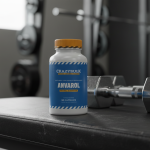
There are also natural performance supplements designed to support muscle strength and recovery. Some athletes explore legal alternatives that mimic certain muscle-building benefits without the risks associated with anabolic steroids.
One example often discussed in the fitness community is D-Bal Max, a supplement formulated to support protein synthesis and muscle recovery.
If you want to see a comparison of different performance supplements, read our article on the best supplements for strength and performance.
Recovery and Muscle Adaptation
Strength gains occur during recovery. When you lift weights, you create microscopic stress within the muscle fibers. During rest, the body repairs this tissue and adapts to become stronger.
Effective recovery includes:
- 7–9 hours of sleep
- Active recovery sessions
- Mobility training
- Balanced nutrition
If strength progress slows down, athletes may experience what is known as a training plateau. When this happens, new strategies are required to continue improving.
You can learn more about solving this issue in our article about how to break strength plateaus.
Natural Strength Development
Many athletes today prefer natural strength development rather than relying on performance-enhancing drugs. Natural training focuses on progressive workouts, intelligent recovery, and proper supplementation.
This approach promotes long-term health while still allowing significant improvements in muscle strength and performance.
Final Thoughts
Strength training remains one of the most powerful tools for improving overall physical performance. With consistent training, proper nutrition, and sufficient recovery, anyone can develop impressive levels of strength.
For those interested in learning more about performance-focused muscle supplements, you can read our full breakdown here: Read the complete D-Bal Max review