Best Bulking Foods for Muscle Growth
Best Bulking Foods for Muscle Growth
Building muscle mass requires more than just lifting heavy weights. Nutrition plays a critical role in the bulking process because muscles need energy and nutrients to grow and recover after intense workouts. Choosing the right foods during a bulking phase can significantly improve muscle growth while minimizing unwanted fat gain.
During a bulking phase, athletes typically consume more calories than their bodies burn. However, the quality of those calories matters just as much as the quantity. Nutrient-dense foods rich in protein, complex carbohydrates, and healthy fats provide the building blocks necessary for muscle development.
In this article, we will explore the best bulking foods for muscle growth. These foods are commonly used by bodybuilders and athletes because they provide the nutrients needed to support muscle repair, recovery, and long-term strength development.
Why Nutrition Matters During a Bulking Phase
Muscle growth occurs when the body repairs microscopic damage caused by resistance training. This repair process requires energy, amino acids, and essential nutrients. Without adequate nutrition, the body cannot effectively build new muscle tissue.
A proper bulking diet focuses on providing enough calories to support growth while maintaining a balanced intake of macronutrients. Protein supports muscle repair, carbohydrates provide energy for training, and fats help regulate hormones that influence muscle growth.
Athletes who neglect their diet often struggle to gain muscle even if they train consistently. For this reason, food selection is one of the most important factors in any successful bulking program.
Chicken Breast
Chicken breast is one of the most popular foods among bodybuilders. It is an excellent source of lean protein and contains very little fat, making it ideal for building muscle without excessive calories.
A typical serving of chicken breast provides around 25–30 grams of protein. This high protein content helps repair muscle fibers damaged during training and supports muscle growth over time.
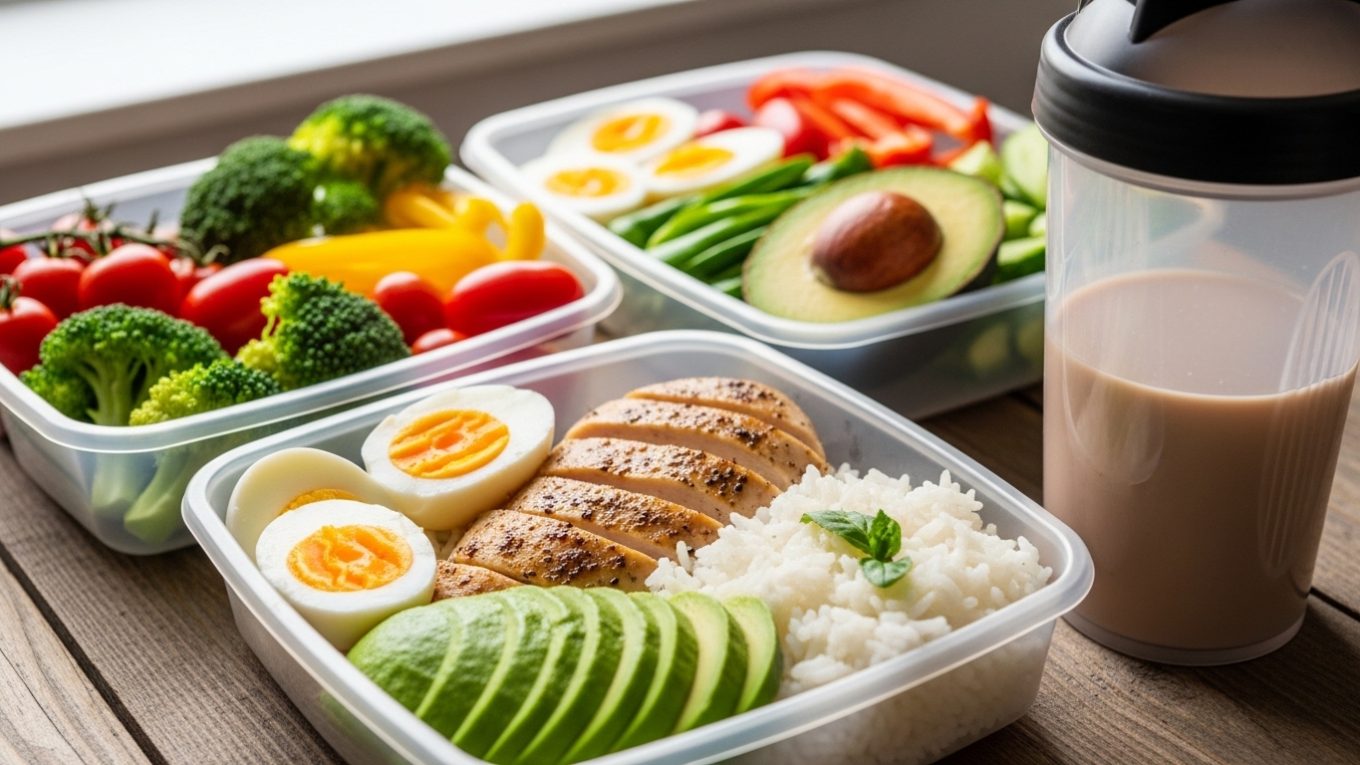
Chicken breast is also extremely versatile and can be prepared in many different ways. Grilled, baked, or pan-cooked chicken can easily be combined with rice, vegetables, or potatoes to create a balanced bulking meal.
Eggs
Eggs are another staple food in many bodybuilding diets. They contain high-quality protein and essential amino acids that support muscle recovery and growth.
In addition to protein, egg yolks provide vitamins, minerals, and healthy fats that contribute to hormone production. Hormones such as testosterone play an important role in muscle development.
Eggs are also convenient and affordable, making them an easy addition to a bulking diet. Many athletes include eggs in breakfast meals or use them as a protein-rich snack throughout the day.
Lean Beef
Lean beef is an excellent food for individuals who want to gain muscle mass. It contains a high amount of protein along with important nutrients such as iron, zinc, and vitamin B12.
Iron supports oxygen transport in the blood, which can improve exercise performance. Zinc contributes to immune function and hormone balance, both of which are important for muscle recovery.
Including lean beef in a bulking diet can help increase overall calorie intake while providing essential nutrients that support muscle growth and strength development.
Rice
Rice is one of the most common carbohydrate sources used during bulking. Carbohydrates provide energy for intense workouts and help replenish glycogen stores in the muscles.
White rice is often preferred by athletes because it is easy to digest and provides quick energy. Brown rice is also a good option because it contains additional fiber and nutrients.
Combining rice with protein sources such as chicken or beef creates a balanced meal that supports both training performance and muscle recovery.
Oats
Oats are an excellent carbohydrate source for sustained energy throughout the day. They contain complex carbohydrates, fiber, and important micronutrients that support overall health.
Because oats digest slowly, they help maintain stable energy levels during long training sessions. Many athletes consume oatmeal for breakfast or before workouts.
Oats can also be combined with protein powder, milk, fruits, and nuts to create a high-calorie meal that supports bulking goals.
Salmon
Salmon is one of the best protein sources for muscle growth because it contains both high-quality protein and omega-3 fatty acids. These healthy fats help reduce inflammation and support recovery after intense workouts.
Omega-3 fatty acids may also improve muscle protein synthesis, which contributes to muscle growth over time. For this reason, many nutrition experts recommend including fatty fish in a bulking diet.
Salmon can be grilled, baked, or added to salads and rice bowls for a nutritious and satisfying meal.
Nuts and Healthy Fats
Healthy fats are often overlooked during bulking, but they play an important role in hormone production and overall calorie intake. Foods such as almonds, walnuts, peanut butter, and olive oil provide a concentrated source of energy.
Because fats are calorie-dense, they make it easier to maintain a calorie surplus during bulking. Adding a small portion of nuts or healthy oils to meals can significantly increase total daily calories.
These foods also provide important vitamins and minerals that support overall health and athletic performance.
Supplements That Support Bulking
Although whole foods should form the foundation of any bulking diet, supplements can provide additional support for muscle growth and recovery.
Many athletes use protein powders or creatine to increase their daily nutrient intake. Some also choose legal muscle-building supplements designed to support strength and muscle development.
For example, products such as D-Bal are often used during bulking phases to support muscle growth, strength, and workout performance.
Conclusion
Choosing the right foods during a bulking phase can make a significant difference in muscle growth and training performance. Nutrient-dense foods such as chicken, eggs, lean beef, rice, oats, and salmon provide the protein, carbohydrates, and fats necessary for building muscle.
By combining a balanced diet with consistent training and proper recovery, athletes can maximize muscle gains while maintaining a healthy body composition.
A well-structured nutrition strategy remains one of the most powerful tools for achieving long-term success in bodybuilding and muscle development.